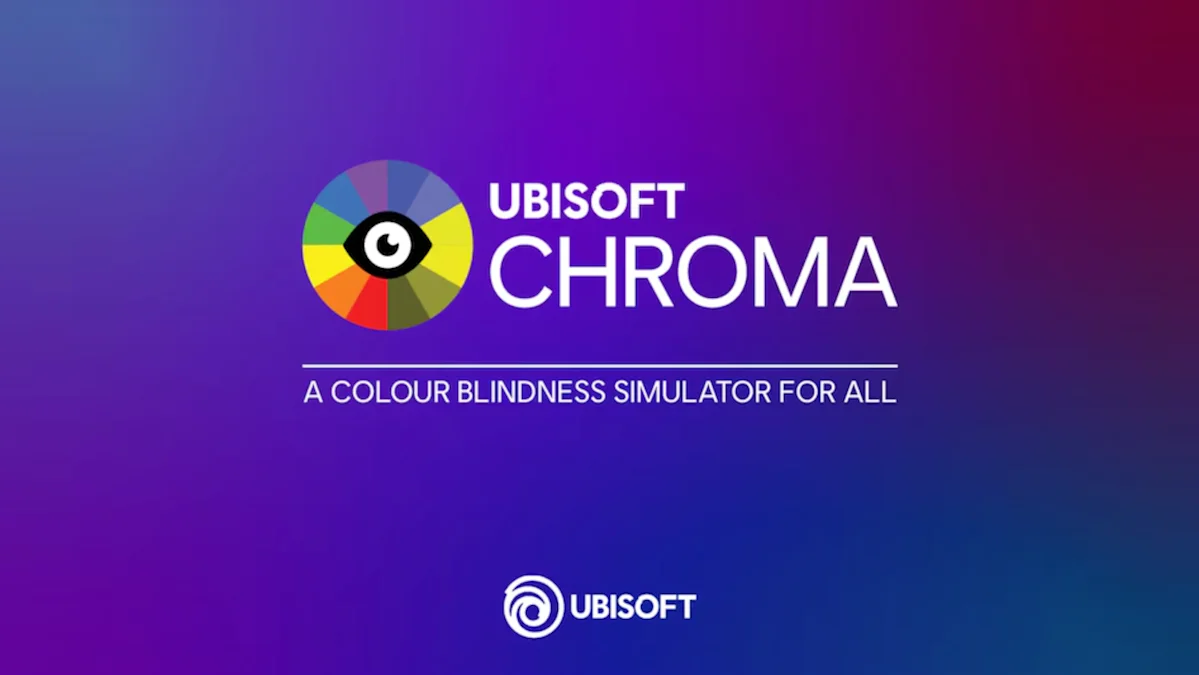

Ubisoft has taken a significant step toward more inclusive game development with the global release of Chroma, an open source accessibility tool designed to help developers accommodate colorblind players. First revealed at the Game Accessibility Conference this week, Chroma has been in development since 2021 by Ubisoft’s Quality Control team in India. The tool simulates the three most common forms of color blindness—Protanopia, Deuteranopia, and Tritanopia—allowing developers to experience and adjust their in-game visuals through the lens of players affected by these conditions. This means developers can use it during the creative and testing phases without sacrificing gameplay speed or quality. According to Ubisoft, one of the biggest technical hurdles the team faced during development was ensuring smooth, real-time processing without introducing latency or visual inaccuracies. Chroma can be easily integrated into development pipelines and used during game design reviews, art direction meetings, and user experience testing. It provides a visual overlay or simulation layer that allows dev teams to assess whether key gameplay elements—like HUDs, enemy indicators, health bars, and puzzle elements—remain visible and distinct under various colorblind conditions. The release comes at a time when accessibility in gaming has taken center stage, with more studios embedding features such as remappable controls, screen readers, and visual customization options into their titles. Read more in our articles including "Ubisoft Releases Chroma: An Open Source Tool to Improve Game Accessibility for Colorblind Players" and "Unity adds native screen reader support on macOS and Windows for better game accessibility".
Ubisoft has taken a significant step toward more inclusive game development with the global release…
Apr 22, 2025
Unity has introduced a major accessibility feature to its engine, adding native support for system…
Sep 6, 2025These past months have been a big blast for the gaming community with the launch…
Feb 19, 2017There are tons of games that you can play on iOS and Android, but what…
Jul 31, 2017The Steam Summer Sale kicked off last June 23, and some of the deals on…
Jun 27, 2017
With the latest addition to the Call of Duty franchise, Modern Warfare 4, dropping…
Sep 1, 2026Ubisoft has taken a significant step toward more inclusive game development with the global release of Chroma, an open source accessibility tool designed to help developers accommodate colorblind players. First revealed at the Game Accessibility Conference this week, Chroma has been in development since 2021 by Ubisoft’s Quality Control team in India.
The tool simulates the three most common forms of color blindness—Protanopia, Deuteranopia, and Tritanopia—allowing developers to experience and adjust their in-game visuals through the lens of players affected by these conditions. This means developers can use it during the creative and testing phases without sacrificing gameplay speed or quality. According to Ubisoft, one of the biggest technical hurdles the team faced during development was ensuring smooth, real-time processing without introducing latency or visual inaccuracies.
Our coverage of visual accessibility game dev includes: "Ubisoft Releases Chroma: An Open Source Tool to Improve Game Accessibility for Colorblind Players"; "Unity adds native screen reader support on macOS and Windows for better game accessibility"; "10 Video Games to Watch Out For in March 2017". Each article provides unique insights and information.