

In a recent podcast interview that’s sparking lively debates across the industry, former EA Chief Creative Officer Bing Gordon revealed that EA once had the chance to acquire major gaming franchises—including Call of Duty, Guitar Hero, and even Blizzard Entertainment—before Activision stepped in. During a conversation on the podcast Grit with Bobby Kotick, former CEO of Activision Blizzard, Gordon openly admitted, “Call of Duty, Guitar Hero, and Blizzard—EA saw all those opportunities and chose to pass.” This candid admission highlights a pivotal moment in gaming history, suggesting that EA’s decision not to pursue these properties inadvertently reshaped the industry.
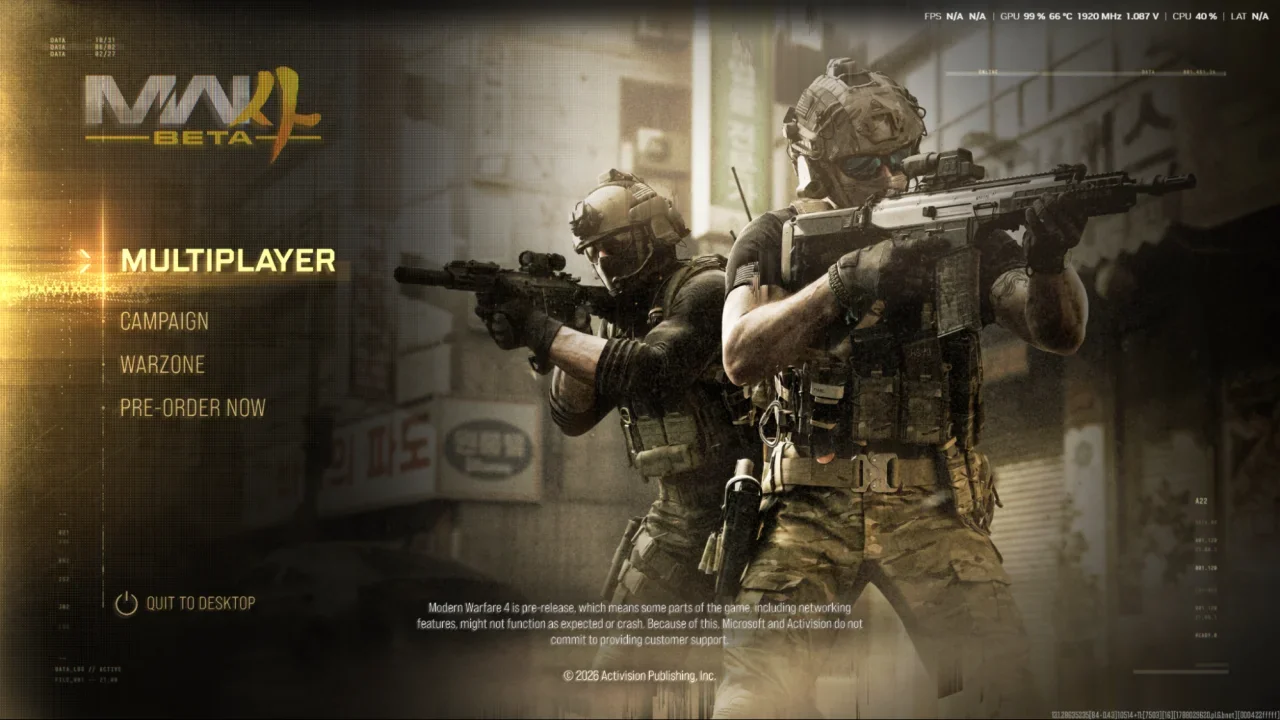
Gordon’s remarks have resonated with gamers and industry analysts alike. At the time, EA evaluated these prospects but ultimately decided against acquiring them, a decision that would later allow Activision Blizzard to secure titles that have gone on to become some of the most influential in the market. Today, Call of Duty has dominated the industry for nearly 25 years as one of the best-selling franchises, while Guitar Hero—once a cultural phenomenon—has remained dormant since the release of Guitar Hero Live almost a decade ago.
Kotick, reflecting on these missed opportunities, expressed high regard for the teams that managed to maintain the core creative talent at Blizzard. “I have double high respect for him for recognizing the value of those properties and keeping the creative leaders around,” Kotick noted. He emphasized that this strategic decision was crucial; preserving Blizzard’s creative vision was key to the company’s enduring success. Moreover, Kotick recalled that Blizzard had already secured a deal for the Warcraft movie prior to its acquisition by Activision, a move he later criticized for diverting focus from game development.
This insider perspective has ignited discussions across social media and industry forums, with many speculating how the gaming landscape might have evolved if EA had made a different call. Some argue that EA’s bold move to pass on these franchises could have positioned the company as a dominant force, while others point to the remarkable achievements of Activision Blizzard and the subsequent acquisition by Microsoft as factors that cemented the current state of the market.

While EA continues to innovate and remain a major player in the gaming world, Gordon’s revelation serves as a stark reminder of the high stakes involved in strategic decision-making. As the industry continues to evolve, stories like these underscore the unpredictable nature of gaming success and the long-term impact of missed opportunities. EA’s legacy, marked by both groundbreaking innovations and notable oversights, remains a compelling chapter in video game history—one that continues to influence the competitive landscape today.


0 Comments
Leave a Reply